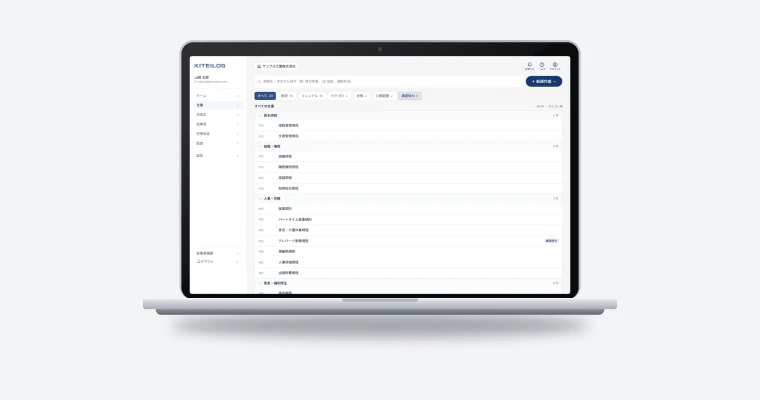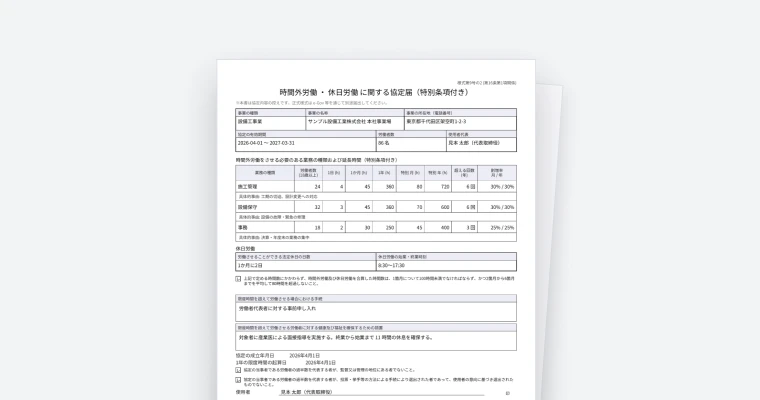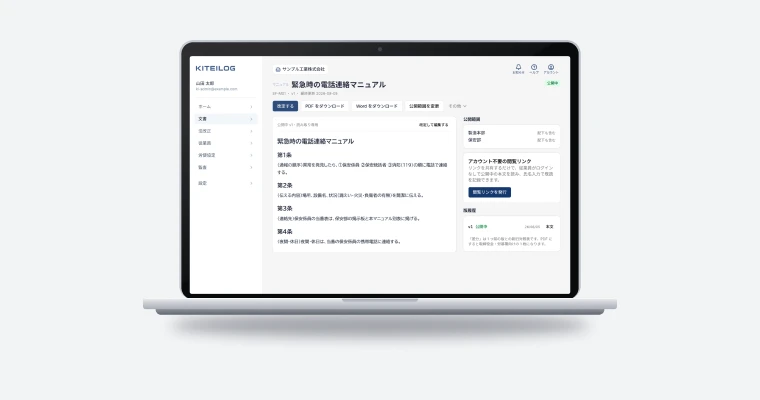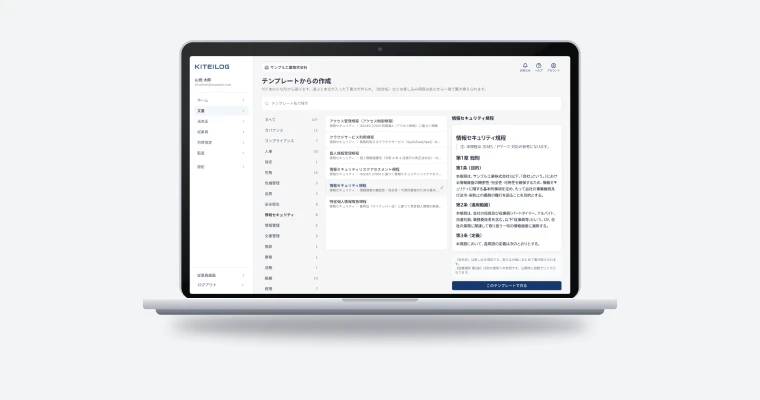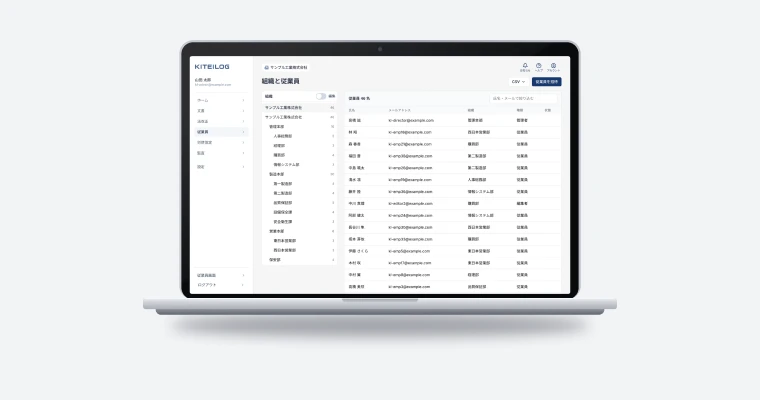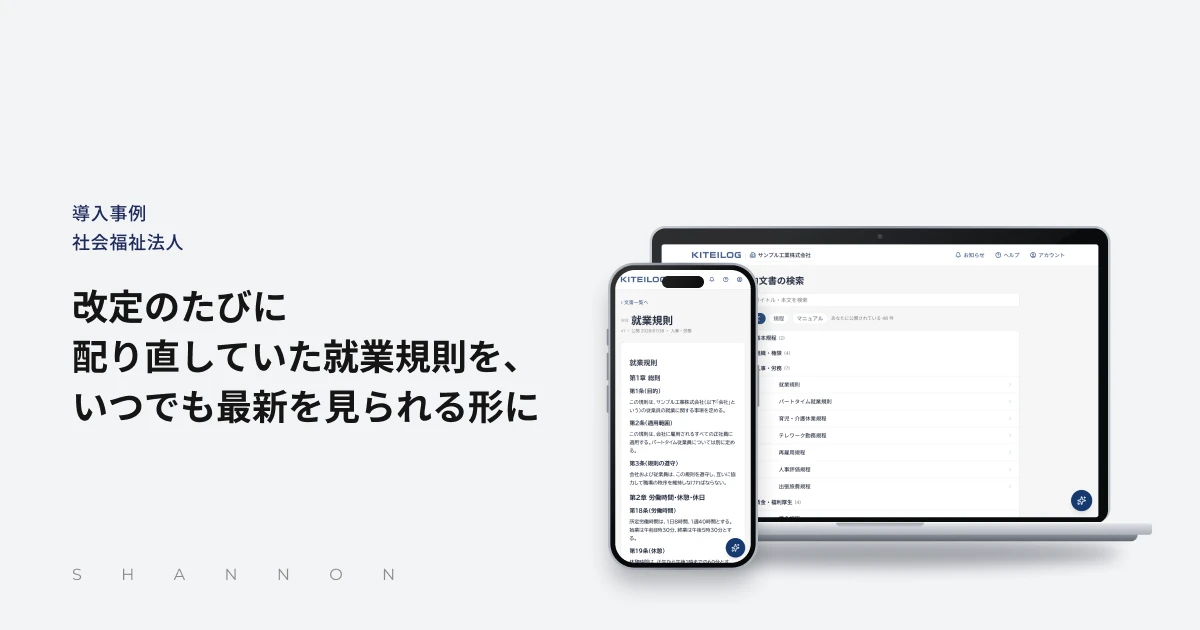
The corporation publishes its work rules in Kiteilog and keeps each amendment as a version, so staff on every shift can check the current rules at any time.
Challenges before adoption
- Work rules were reprinted and handed out after every amendment
- Paper copies lingered, so no one knew which version staff were reading
- Staff on different shifts were hard to inform in the same way
Results after adoption
- Staff can check the current work rules at any time
- Amendments recorded as versions, with past versions traceable
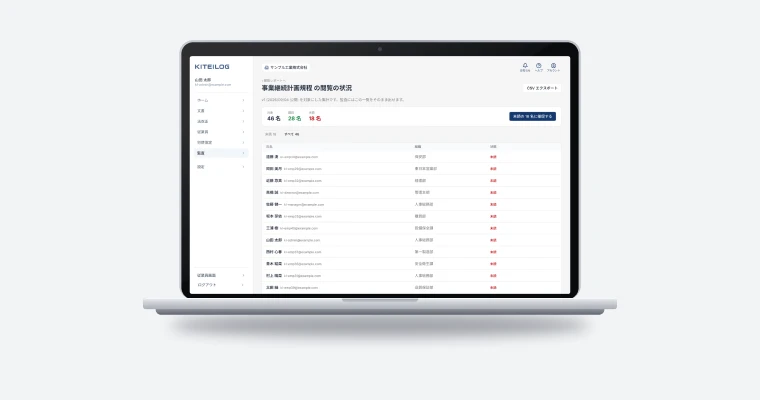
- The corporation can see whether each staff member has read the rules
| Customer | A social welfare corporation |
|---|---|
| Product | Kiteilog |
| Adopted | June 2026 |
This social welfare corporation runs services that support older people and people with disabilities. At its facilities, staff work rotating shifts that combine day, early, late and night duty, and include care and support workers as well as nursing, kitchen and administrative staff.
Delivering the work rules equally to staff with different hours and roles had long been a challenge. The corporation replaced the practice of redistributing paper copies with an arrangement in which staff can check the latest rules at any time. Here is how it went about it.
Communicating work rules in a shift-based workplace
The Labor Standards Act requires employers to make their work rules known to employees, whether by posting them, keeping them available, handing out copies, or making them viewable electronically at any time. What matters is that staff can check the rules when they need to.
At a welfare facility this is not simple. Residents’ lives continue day and night, so staff work in rotation. Night staff arrive as day staff leave, and early and late shifts barely overlap. There is almost never a chance to brief everyone at once.
Welfare workplaces also need to adjust working arrangements as care and disability welfare systems change, and as leave, allowances and support for staff balancing work with childcare or family care evolve. Each amendment must reach every staff member.
The corporation reviewed its work rules regularly, but for a long time it relied on paper to deliver the changes, even as the number of facilities, roles and shifts it had to reach remained large.
Reprinting the work rules after every amendment
After each amendment, the corporation printed the new rules and distributed them through the heads of each unit, while keeping a bound copy in the office for reference.
This meant extra work for administrative staff each time: printing the full text, counting copies and arranging distribution, even when only a few articles had changed.
Distribution itself took time. Shift workers could only be handed a copy on days they were at work, so staff on leave or on consecutive night shifts received theirs late, and confirming that everyone had a copy required recording each handover.
Explaining what had changed was another problem. Handing out the rules did not show which articles had changed, and verbal explanations by unit heads varied from person to person, so staff received different information depending on who explained it.
Old versions in the facilities and uncertainty about who had read them
The corporation was particularly concerned about old versions. Earlier copies could remain in staff lockers, break rooms or unit shelves, and staff might take outdated provisions as current.
The office copy could also be left unchanged by mistake, and keeping track of which version sat on which shelf in which facility was not realistic.
Another concern was not knowing whether staff had actually read the rules. Records showed who received a copy, not who had read it, and for changes to leave or pay, not knowing could work against the staff member.
Being able to check one’s own working conditions accurately at any time is essential for staff to keep working with peace of mind, and in a sector where recruitment is difficult, it also supports retention. The corporation therefore wanted both a way for staff to see only the latest rules and a way to track whether they had checked them.
Choosing a system where the latest version is always available
The corporation considered placing files in a shared folder, which was easy but required notifying staff of every replacement and showed nothing about who had read them. A general-purpose document management tool would have needed workarounds to keep article-level history and track confirmation.
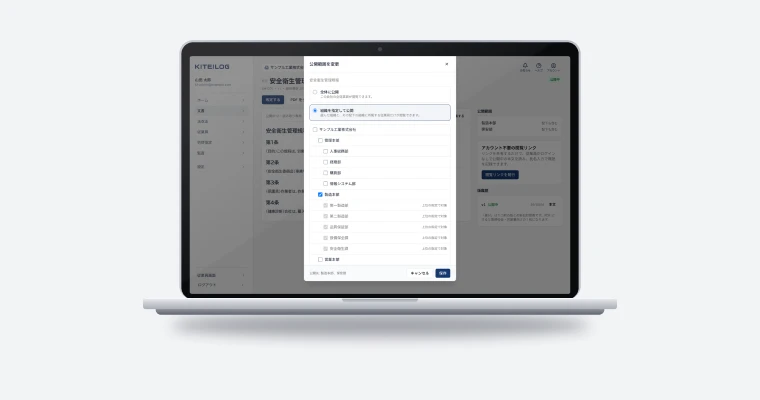
It chose Kiteilog because staff can always check the latest rules. When a published rule is amended, it is replaced by the new version, so outdated text does not reach staff.
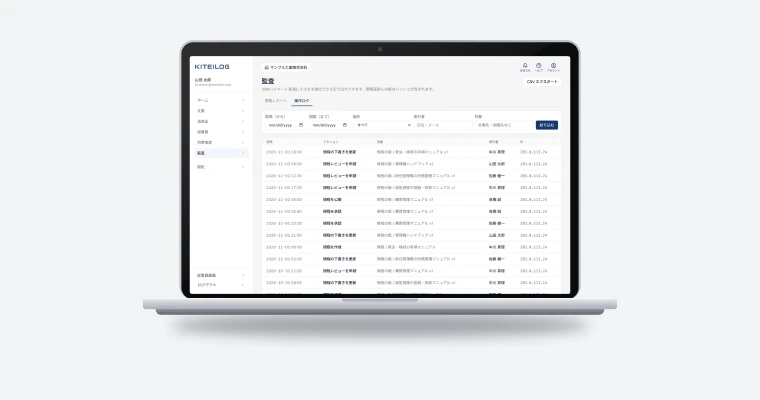
Keeping the amendment history as versions was another factor, making it possible to trace when each article changed without comparing bound copies.
Read confirmation was also decisive. Knowing who had checked the rules makes it possible to follow up individually, and keeping a record of communication gives the corporation confidence in how it manages its rules.
Reviewing with the law check before publishing
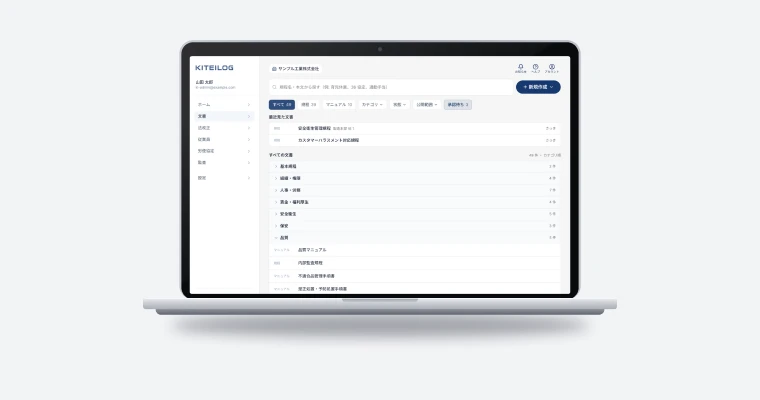
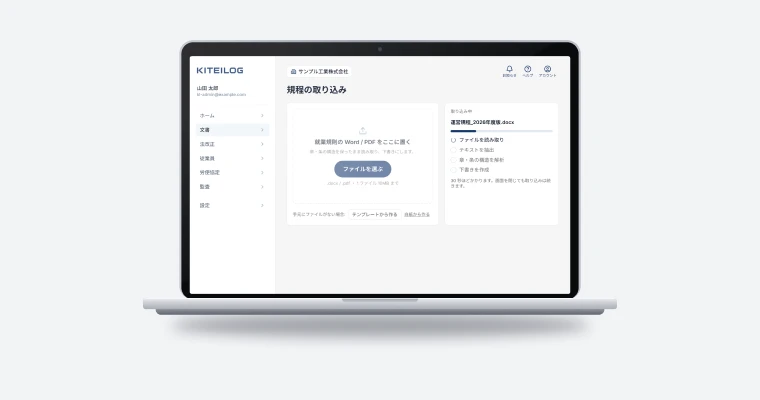
The corporation registered its work rules in Kiteilog and treated this as a chance to review them rather than publish immediately.
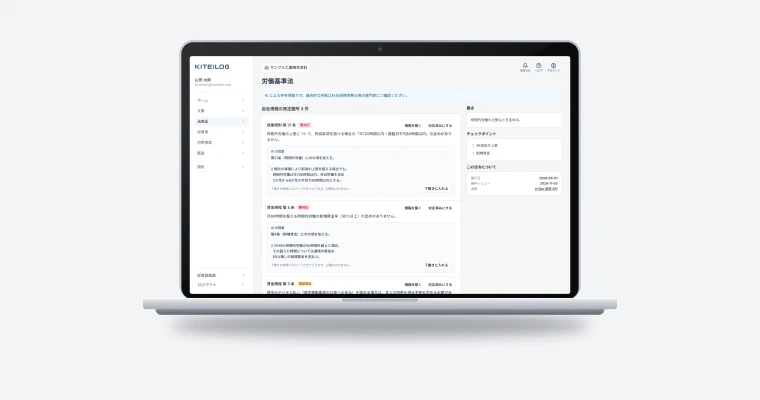
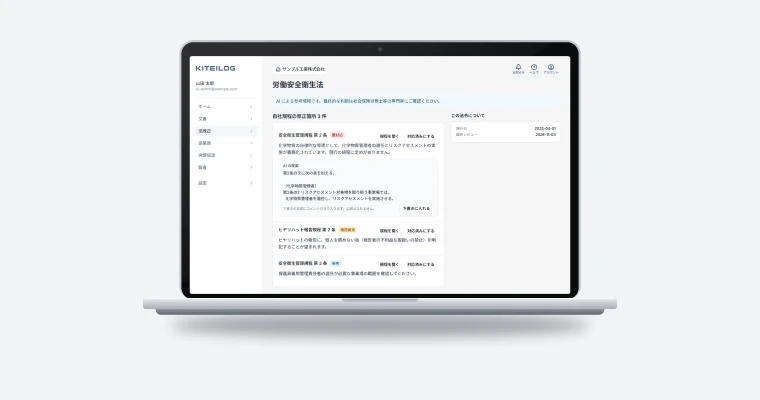
It used the law check, which compares articles with current law and amendments, focusing on working hours, leave, and support for balancing work with childcare and family care. Each highlighted point was examined against the relevant law, and the necessary changes were made before publication.
Staff also compared the paper rules with the registered text to confirm article numbers and headings, and decided whether handwritten notes and separately issued detailed rules should be included in the main text or handled separately. The overall structure of the work rules became clearer as a result.
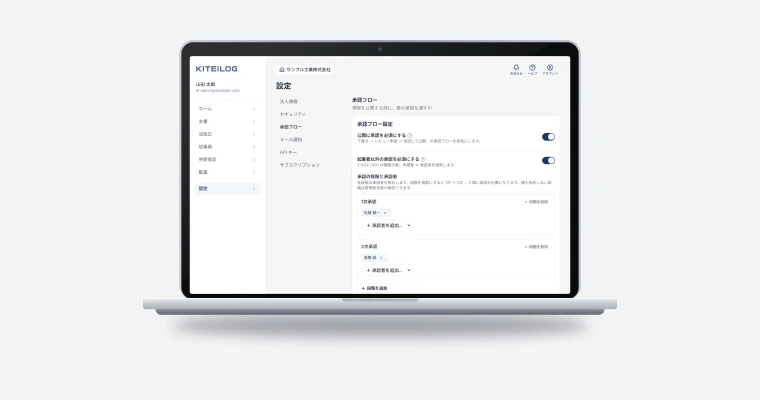
The corporation also agreed in advance who would draft amendments and who would review them, so the first amendment after publication went smoothly.
Informing staff across different shifts
Because staff cannot be gathered at once, unit heads explained how to check the rules during shift handovers and morning and evening meetings.
Staff were told that the work rules are available in Kiteilog, that amendments will appear there, and that paper copies will no longer be updated and should not be relied on.
Unit heads confirmed individually that night-shift staff and those on leave had been informed. Without paper to hand over, staff can now check the rules whenever it suits them.
Read confirmation shows how far the message has reached, and unit heads follow up with anyone who has not yet checked. Staff less familiar with smartphones or computers were shown the steps on an office terminal, and most could check by themselves from the next amendment onward. Because staff no longer have to wait for a paper copy, they can check the rules at a time that suits their own shift pattern, whether that is before a night shift or on a day off.
Amendments without reprinting, and expanding to other rules
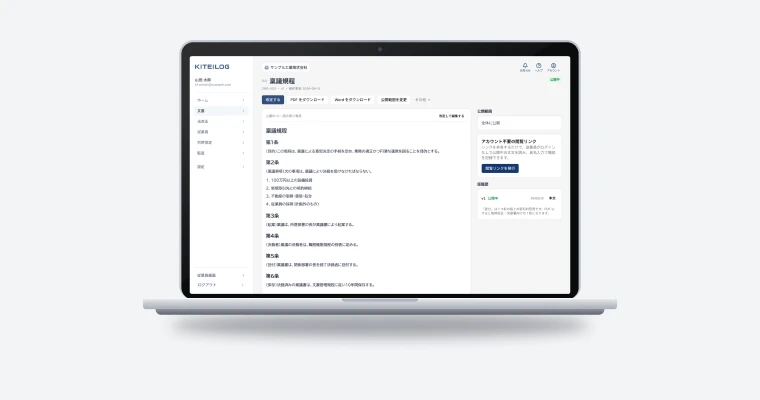
Reprinting and redistributing the work rules after each amendment is no longer necessary. Amendments are published as new versions, and staff can see them the same day.
Past versions remain traceable, so the corporation can answer questions about earlier arrangements by checking the rules in force at the time. The history carries over even when the person in charge changes, and administrative staff no longer need to prepare copies or plan distribution rounds.
Whether each staff member has checked the rules is visible on screen, making communication more reliable and removing the need to record handovers.
The corporation plans to register its other rules in turn, starting with those that directly affect working conditions such as pay and leave, reviewing each with the law check before publishing.
Combining the amendment workflow with read confirmation, it intends to make reliable communication of every amendment a standard practice across the organization, so that every staff member, whatever their shift, can check the same rules in the same way.
Key features
- Publishing
- Versioning
- Amendment workflow
- Law check
- Read confirmation