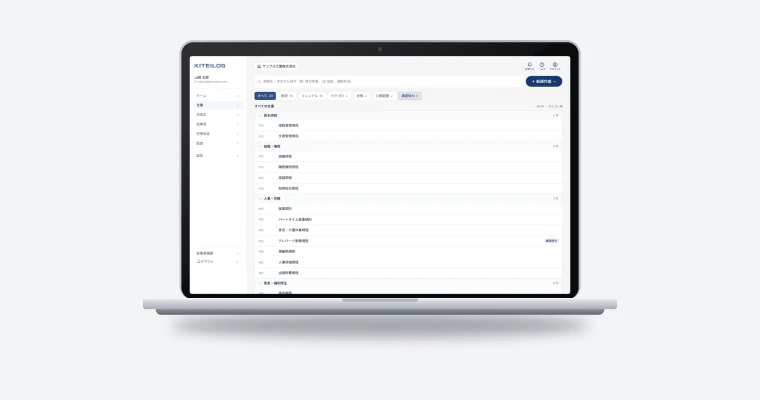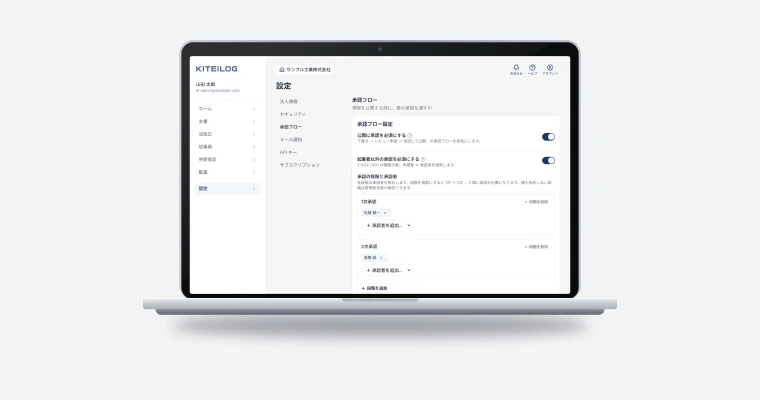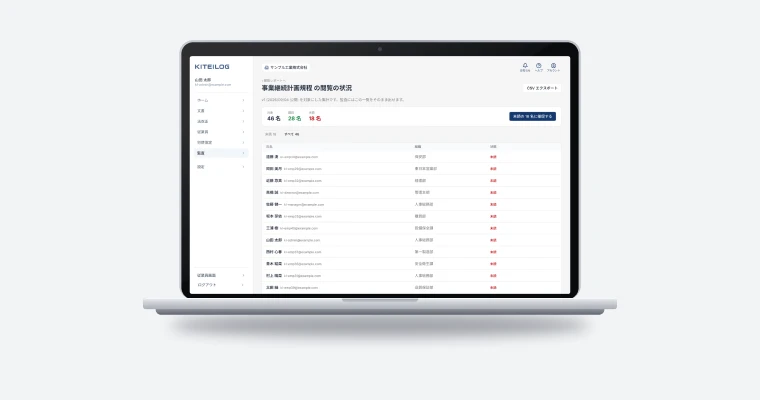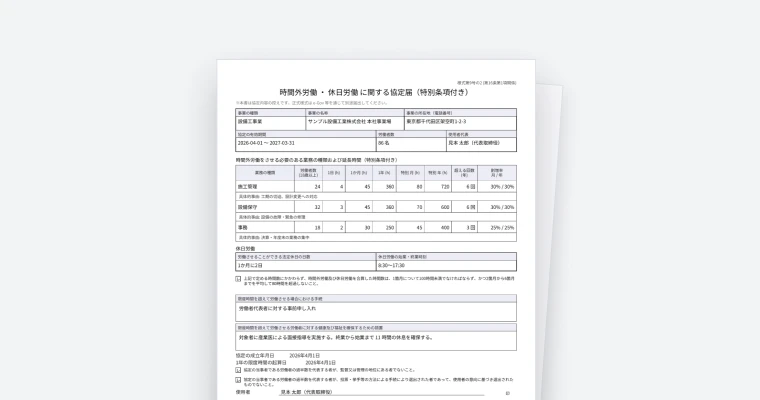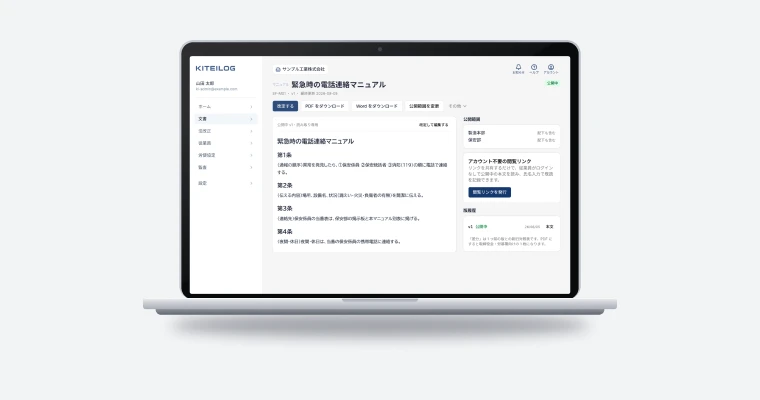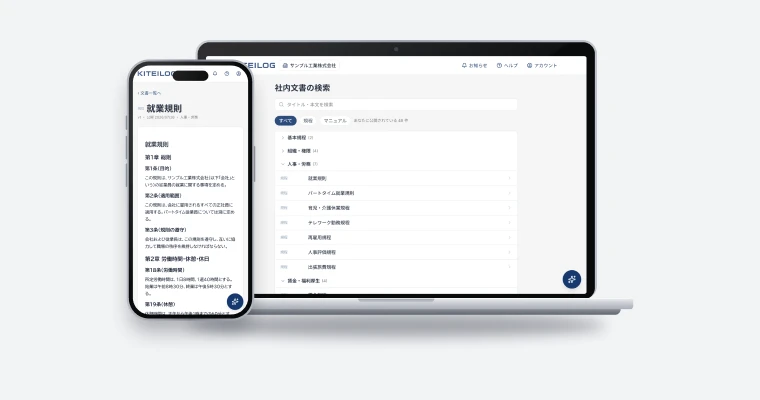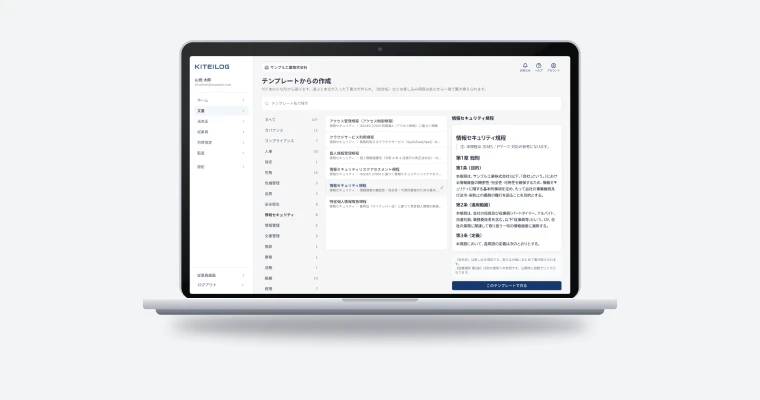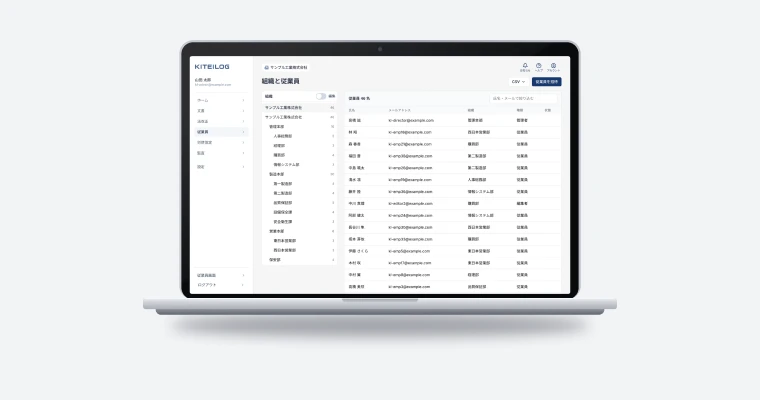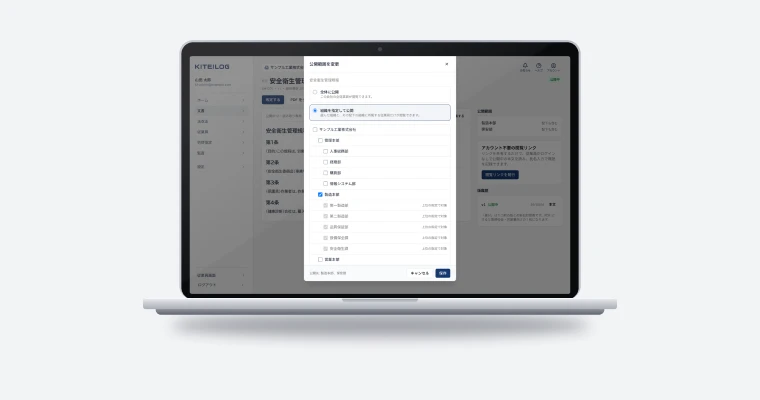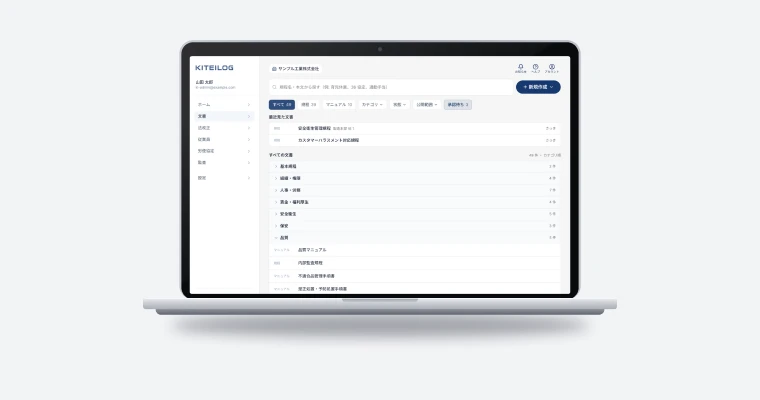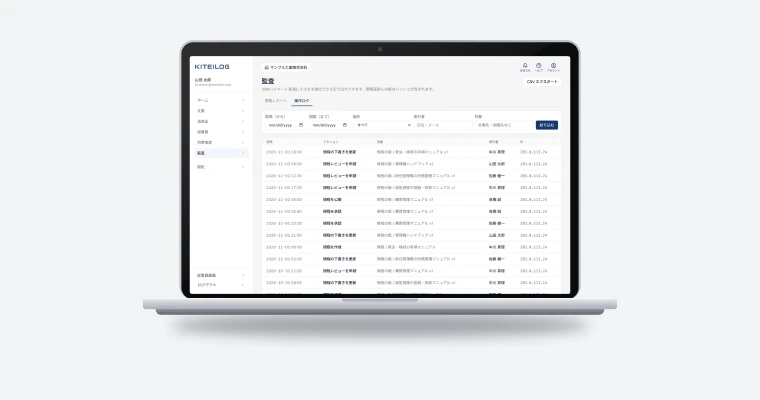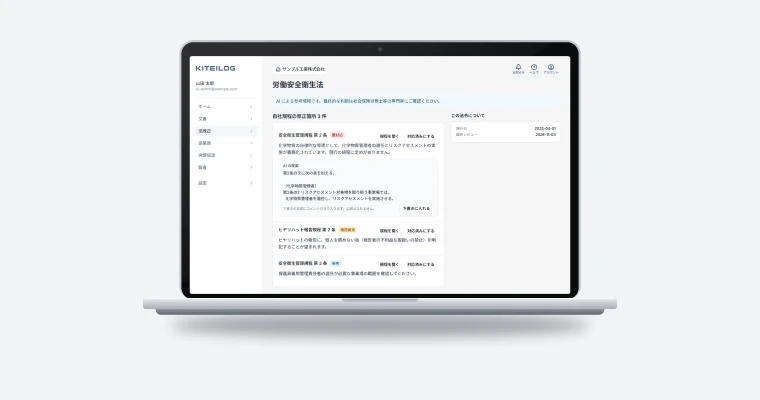
The corporation imported its staff work rules, pay rules and whistleblower-protection rules, and amends them using the law check to identify affected provisions and comparison tables to share changes.
Challenges before adoption
- Rules had to keep pace with changes in labor law and whistleblower law
- Comparing amendments with provisions depended on one person's knowledge
- Preparing material to explain amendments internally took effort
Results after adoption
- The law check makes provisions needing review easier to identify
- Amendments run in Kiteilog, with comparison tables shared internally
- Word export for staff distribution and version records in one place
| Customer | A medical corporation |
|---|---|
| Product | Kiteilog |
| Adopted | October 2026 |
This medical corporation operates hospitals and clinics that serve their local community. Physicians, nurses, pharmacists, laboratory and rehabilitation specialists and administrative staff all work there, and shift work including nights and holidays is essential.
In a medical institution with so many job types and working patterns, work rules and pay rules tend to be complex, and every change in the law calls for a review. In October 2026 the corporation adopted Kiteilog and changed how it reviews its rules when laws are amended. This is how a review that relied on individual knowledge became a check carried out provision by provision.
Ongoing labor law changes and the rules of a medical institution
Staff rules in a medical institution are closely tied to the Labor Standards Act and related labor laws. In recent years the rules on working styles in healthcare have continued to change, with caps on overtime now applying to physicians as well. Revisions to support for balancing work with childcare and family care have also prompted reviews of work rules.
Pay rules are similar. Allowances for night shifts, duty nights and on-call work, and premium pay for overtime, involve many elements, and a change in how working hours are treated can affect how pay is calculated.
The corporation must also comply with the Whistleblower Protection Act. Its rules must set out the reporting channel and how reporters are protected, so that staff can report violations without fear, and they must be reviewed when the law changes. For an institution handling information that affects patient safety, the reporting system underpins trust, and it works only if staff understand it.
Staff rules may also be examined during regulatory inspections, and any provision out of line with the law could lead to disputes with staff. As the number of legal changes grew, the review itself had become a heavy burden on the administrative department.
Reading amendments against provisions line by line
Previously, staff in personnel and general affairs researched each legal change and compared it with the rules provision by provision to find what was affected, gathering information from government publications and specialist periodicals.
This required knowledge of both the law and the rules. Interpreting an amendment and judging which provisions it touched took experience, and the work depended heavily on particular staff. If they were transferred or left, it was unclear whether reviews could continue at the same level.
There was also concern about oversights. In long rules such as the work rules, one legal change can affect several provisions, and as long as the comparison relied on human reading alone, the risk of missing something could not be ruled out.
The three rules are also linked. Changing working-hour provisions in the work rules can affect allowances and premium pay in the pay rules, and reviewing several rules at once for one legal change made the task more complex. Because reviews ran alongside daily work, they often bunched up just before an effective date.
The effort of sharing amendments internally
Rules found to need amendment were drafted, examined at internal meetings and by the board, and then adopted. Staff prepared a document setting out the old and new provisions side by side to explain each change and its reason.
That document had to be redone whenever the draft changed after a meeting, and manual work risked discrepancies between the material and the draft.
Version history was another problem. Rule files were overwritten or copied with a date each time, so tracing earlier versions meant finding and comparing several files. In an institution with many job types, staff often ask about the rules, and when a question about a past rule came in, an answer was not always immediate.
Choosing a provision-level check against the law
The corporation compared several approaches, such as asking outside experts to review each change or tidying up versions with a general-purpose document management tool.
Outside experts offer professional judgment but require preparation and fees for every change. A document management tool can organize versions, but people would still have to compare the rules with the law, so the burden would not change. Building and maintaining its own system as laws keep changing was not realistic for the administrative department.
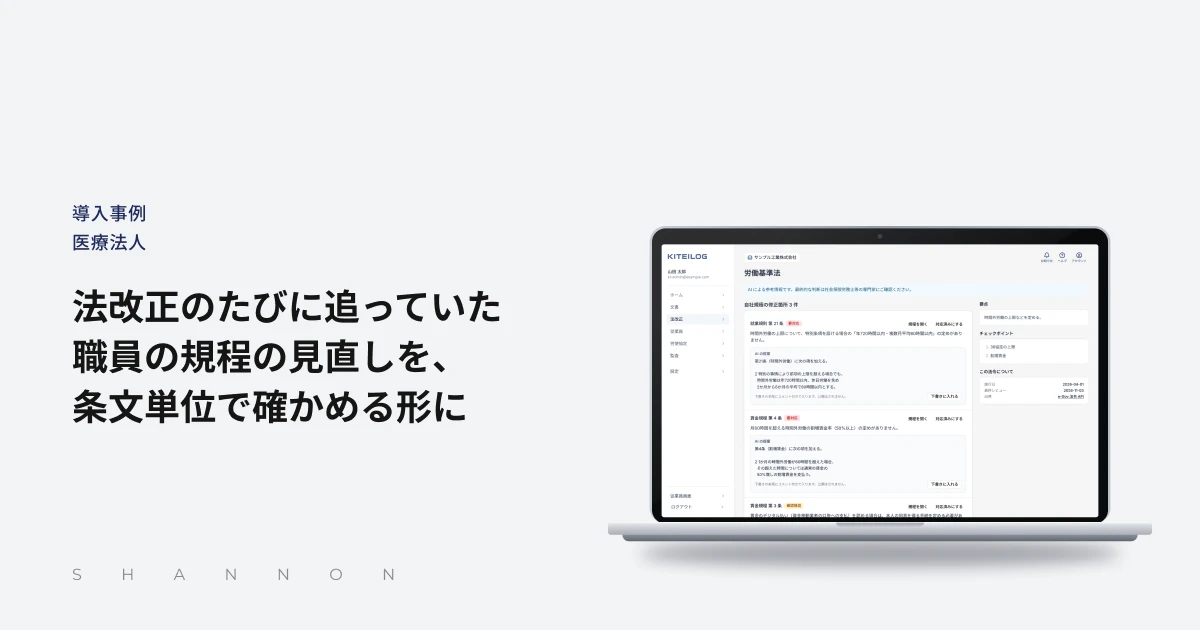
The main reason for choosing Kiteilog was its law check, which compares provisions with current law and amendments. By identifying the provisions that relate to an amendment, it makes the starting points of a review clear and supports the staff doing the work.
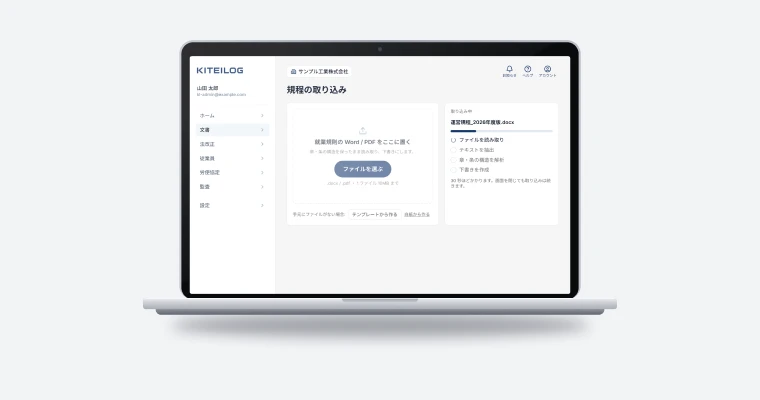
Being able to import existing files without retyping long rules was another reason, as were comparison table export for meetings and Word export for distribution to staff, both matching how the corporation works.
Importing three rules and starting with the law check
The rollout began with the three rules most affected by legal change: the work rules, the pay rules and the whistleblower-protection rules. The files were read in with the AI import, keeping their chapter and article structure, and checked against the originals by personnel and general affairs staff.
The law check was then run on all three, identifying provisions likely to need review against current law and amendments. The scope of amendment was organized from these results, and because all three rules are checked in the same system, related provisions across them can be examined together.
The law check does not decide the content of an amendment. The corporation examines each identified provision in light of its actual working patterns and internal practice, seeks outside expert advice where needed and makes the final decision itself.
Drafting now takes place in Kiteilog. As provisions are edited in a draft amendment, the before and after are recorded, and files no longer need to be copied and overwritten. Staff involved in amendments were walked through the new procedure in advance: check provisions with the law check, draft in Kiteilog, use the comparison table at meetings.
Comparison tables and Word export supporting internal procedures
When a draft is examined at a meeting, a comparison table exported from Kiteilog serves as the material. Participants see the new wording next to the old, and the table is produced directly from the draft, so it no longer needs to be built by hand.
If the draft is revised after a meeting, exporting the table again gives material that matches the latest content. Discrepancies between material and draft are no longer a worry, and meeting preparation is lighter.
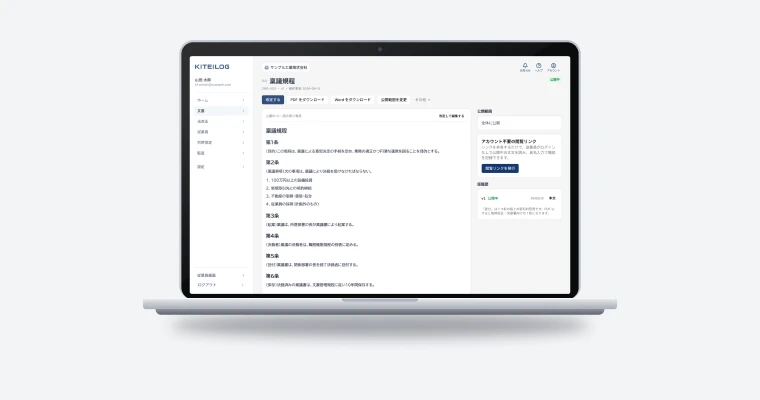
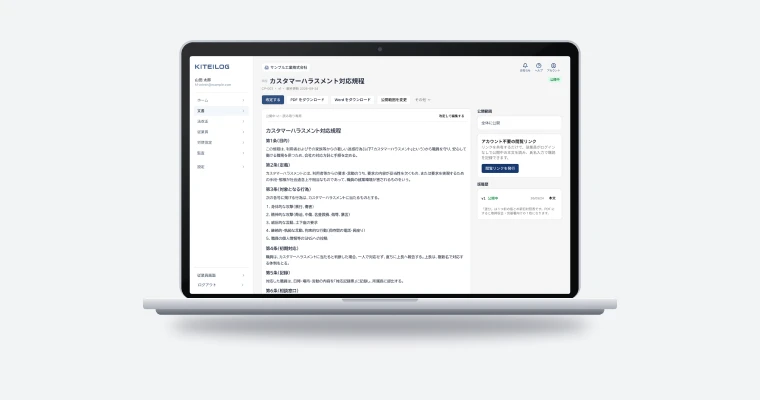
Adopted rules are recorded as versions. Earlier versions and the history of amendments are in one place, so questions about past rules can be answered by tracing the relevant version, and when an inspection requires an explanation, the record shows when each provision changed.
For distribution to staff, rules are exported to Word. The familiar format means staff notice little difference, and rules that staff must know, such as the whistleblower-protection rules, can be delivered in their latest version in the same way after every amendment.
Toward an organization that keeps up with legal change
With the law check built into the review procedure, provisions needing review are easier to identify, and the check no longer rests on individual knowledge alone. A consistent procedure means reviews can continue the same way when staff change, and seeing the scope early helps avoid a rush before effective dates.
The corporation plans to extend this approach to its other internal rules, covering organizational management and information handling as well as staff conditions, and to build a system that can keep up with legal change continuously. The more rules are covered, the more valuable it becomes to have the starting points of each review identified.
Laws will keep changing. Rather than rereading everything from scratch, the corporation’s next goal is to make it routine to check the impact provision by provision, share amendments accurately and keep a version record.
Key features
- Rule-file import (AI)
- Law check
- Amendments and comparison tables
- Publishing and versioning
- Word export