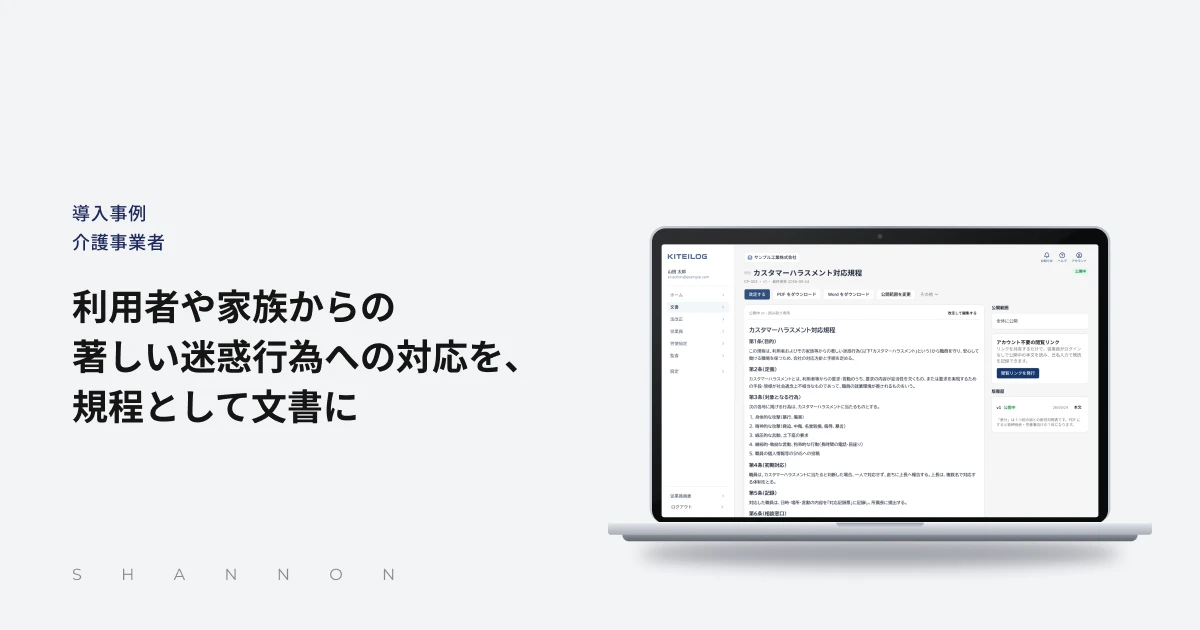
The provider is drafting a customer-harassment prevention rule that sets out how staff should respond and how incidents should be reported.
Challenges before adoption
- No defined response or reporting line when staff faced serious harassment
- Responses varied by individual, making consistency hard as an organization
- A need to set out, in writing, a policy that protects staff
Results after adoption
- Response policy and reporting flow organized in the draft rule
- Content being settled while keeping the history of discussion as versions
- Preparations under way for publishing the rule to staff
| Customer | A care-services provider |
|---|---|
| Product | Kiteilog |
| Adopted | October 2026 |
This provider delivers care services that support the daily lives of older people, including home visits and day care at its facilities. Its staff deal directly with clients and their families every day.
Care work depends on trust between staff, clients and families. At the same time, staff can face serious harassment from clients or their families. In October 2026 the provider adopted Kiteilog and began drafting a customer-harassment prevention rule that sets out how staff should respond in such situations. The rule is still at the draft stage and its content is being discussed. This case describes why the provider set out to write the rule and how the discussion is being conducted.
Serious harassment that can arise in care settings
In care work, staff touch clients’ bodies to assist them and enter the private space of their homes. Closeness to clients and families is a defining feature of care and a source of good service, but that closeness can also expose staff to unreasonable demands, verbal abuse and intimidating behavior.
Examples include repeated demands beyond the agreed service, being berated at length, being shouted at, and unwanted physical contact. When a staff member visits a home alone, it is also hard to call for help on the spot.
Such behavior places a heavy physical and mental burden on staff. Staff who carry it alone may suffer health problems or hesitate to continue working. In a field where recruiting staff is a major challenge, a working environment in which staff feel safe is a precondition for continuing the business.
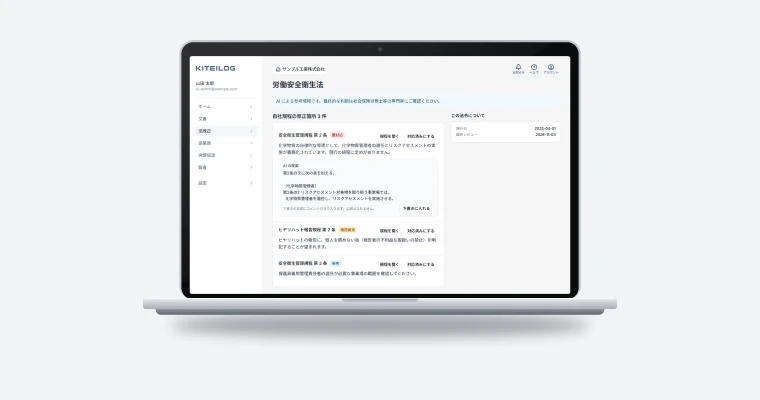
Protecting employees from serious harassment by customers is increasingly regarded as an employer’s responsibility. Legislation on preventing workplace harassment has developed, and the law has been amended to require employers to take measures against serious harassment by customers. In care, the government has also issued guidance on harassment in care settings, and providers are expected to act.
Responses left to individual judgment
Until now, the provider had not clearly defined how staff should respond to harassment by clients or families or whom they should report to. Staff facing a difficult situation responded as they saw fit and consulted their supervisor when they felt it necessary.
This meant responses varied by individual. If one staff member accepted a demand and another refused it, clients and families would receive mixed messages, which could even encourage the behavior to recur.
The lack of a reporting flow was also a problem. Without knowing what warrants a report, or whom to tell and by when, staff tend to hold back. Those most worried about damaging their relationship with a client were the most likely to keep problems to themselves.
There was also a record-keeping issue. If incidents are not recorded, the points to watch are not passed on when a different staff member takes over a client, which happens often in care. Managers, for their part, could not see what problems were arising with which clients and could not act as an organization. The provider concluded that a policy set out as a rule was essential to protect staff and respond consistently.
Building care-specific considerations into the rule
Responding to customer harassment has particular difficulties in care. Some clients, because of the symptoms of conditions such as dementia or a disability, may behave forcefully without intending to. Such behavior should not be treated uniformly as harassment, but approached as care grounded in an understanding of the symptoms.
At the same time, whether or not behavior stems from symptoms, staff must be protected when their safety is threatened. How to reconcile consideration for symptoms with staff safety is the point requiring the most careful thought.
Care services also carry a responsibility to keep supporting clients’ lives. A provider cannot simply stop providing a service because harassment has occurred. The rule needed to set out how the responsibility to continue services and the responsibility to protect staff can be balanced.
Harassment does not come only from clients themselves. Excessive demands or intimidating behavior from family members can also be a problem, and the provider is considering how to organize its approach separately for clients and for families.
Drafting and managing the rule in one system
The provider first considered how to write and manage the rule. Writing it in a word processor and storing it in a shared folder was an option, but with drafts expected to change many times during discussion, it would become hard to tell which was the latest.
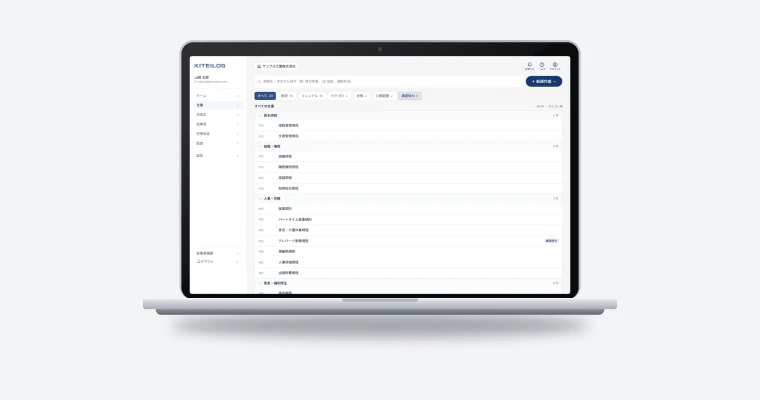
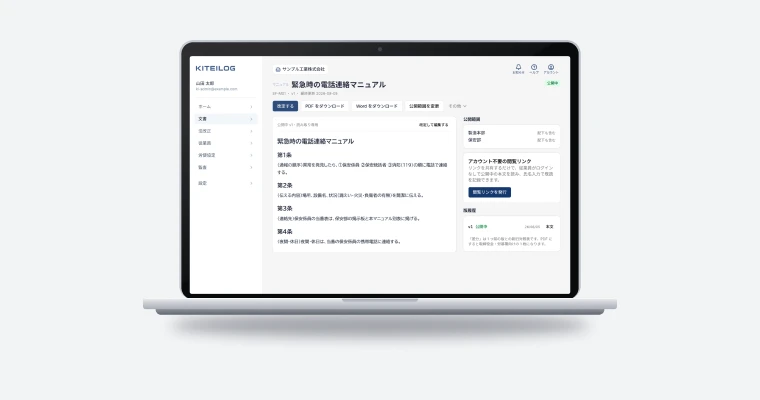
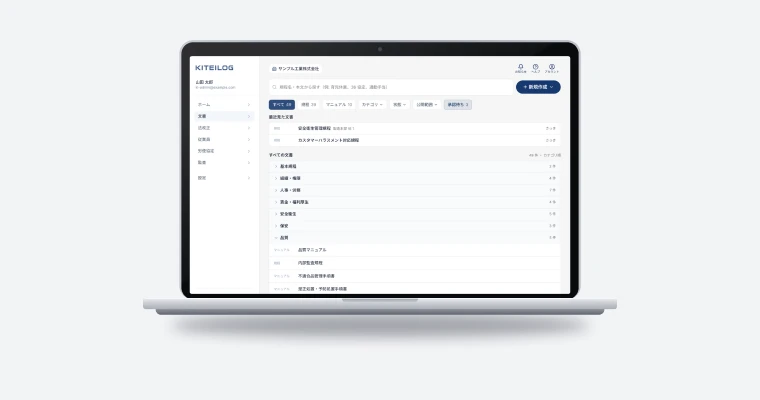
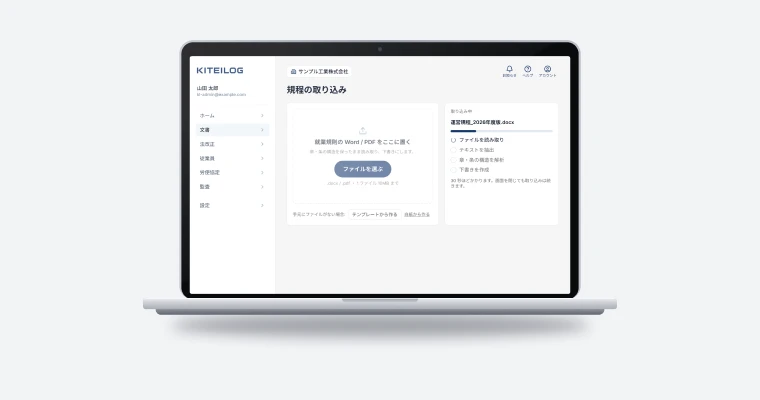
Kiteilog was chosen because a rule can be drafted and managed in one system. Drafting, discussing and publishing to staff once the content is settled all happen in the same place. Without anyone on staff experienced in writing rules, being able to shape provisions on screen while drafting also made it easier to get started.
Managing the rule as versions was also important. Responding to customer harassment is an area where revisions are likely to be needed once the rule is in use. Being able to revise it in light of real incidents while keeping the history of amendments was essential for long-term use.
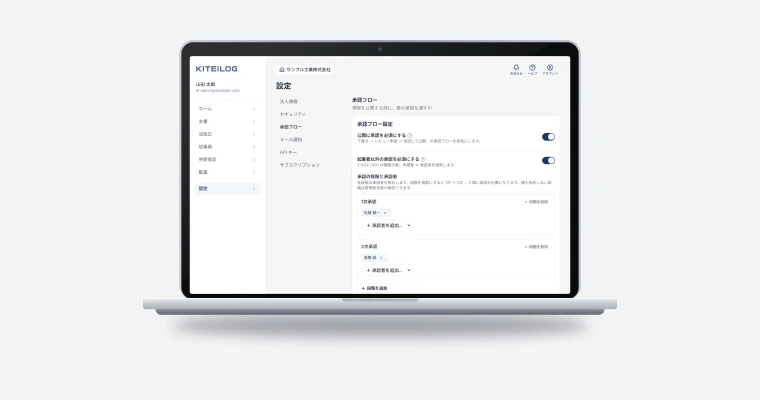
Having a way to publish the rule to staff was also a factor. A rule is meaningless if staff do not know its content, and handling drafting, publication and later amendments as one flow met the provider’s needs.
The response policy and reporting flow in the draft
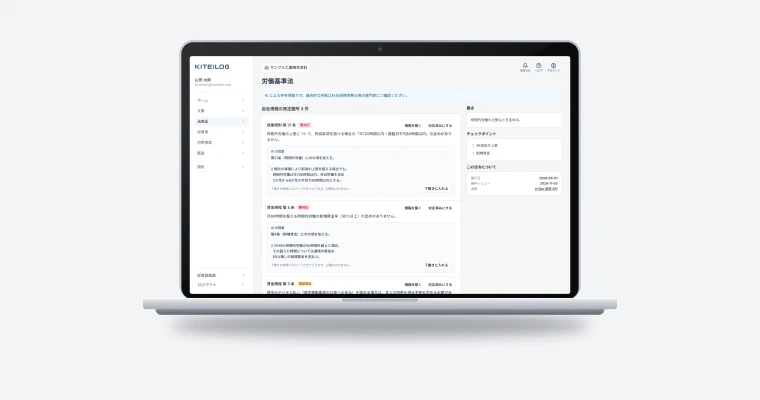
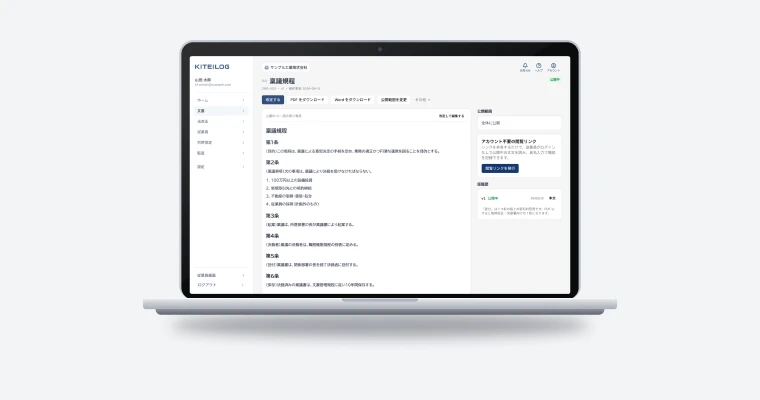
The provider is now drafting the customer-harassment prevention rule in Kiteilog and discussing its content. The draft states as its purpose protecting the dignity and safety of staff while continuing to provide high-quality services to clients.
It then sets out what will be treated as customer harassment, showing how to distinguish behavior that calls for consideration of symptoms from behavior that requires action to protect staff, so that staff have something to return to when unsure on the spot.
The reporting flow is central to the rule. It defines whom staff report to and how, and then how the manager who receives the report establishes the facts and decides on a response. To ensure staff do not hesitate to report, the provider is considering stating explicitly that reporting will not lead to unfavorable treatment.
Responses during home visits are being considered in concrete terms. The provider is discussing how to express in the rule that a staff member visiting alone who feels in danger should put leaving first and contact the office promptly. It is also considering the steps the organization will take if harassment continues, such as switching to visits by more than one staff member, raising the matter formally through a manager, or consulting relevant agencies.
Drafts are recorded as versions, so earlier wording can be traced even after revisions. Managers and representatives of front-line staff review the drafts and revise them in response to comments.
Settling the content with input from the front line
In settling the content, the provider places importance on reflecting the views of front-line staff. A rule that does not draw on the experience of people who deal with clients and families every day will not be useful in practice. Staff who make home visits and those who work at facilities face different situations, so drafts are read from both perspectives to check that the wording works on the ground.
During discussion, staff share difficult situations they have experienced and talk about how they would ideally have been handled. These conversations not only inform the content but also give the organization a chance to take on concerns staff had been carrying alone.
The provider is also considering including support for staff wellbeing in the rule, such as a point of contact for staff who have experienced harassment and adjustments to duties where needed, because it believes the organization should provide support after an incident as well.
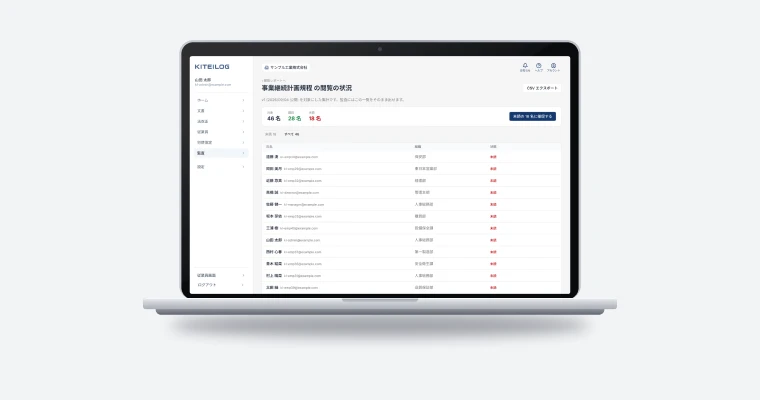
Handling the draft in one system means everyone discusses the same content, with no risk of mixing up versions. The rule is not finished yet, but putting the policy into words is itself preparation for responding consistently as an organization.
Informing staff after publication, and revising in practice
The provider plans to publish the rule to staff once the content is settled and promote awareness of it. On publication, it intends to explain the key points and make sure the reporting flow can be checked in daily work. The rule will also be used when introducing new staff, so that from the start they know the provider’s policy and reporting flow and need not face difficult situations alone.
The provider is also considering how to communicate its policy to clients and families. By explaining its approach to protecting a safe working environment for staff when clients begin using services, it aims to prevent harassment while maintaining trust.
The rule will continue to be reviewed once in use. If real incidents show that it needs to change, it will be amended with the history kept as versions. Through this rule, the provider aims to support care settings where staff can work with confidence and clients can rely on the services they receive.
Key features
- Rule drafting
- Draft editing
- Versioning